Sanctus Bodywork Studio · Woodbridge, VA

Bodywork for the demands of playing

Hours of practice ask your body to repeat precise movements and hold familiar positions. Over time, those demands can become part of how your neck, shoulders, back, or hips feel both onstage and away from your instrument.

Carol works with musicians who want attention to the physical strain that has accumulated through years of playing.
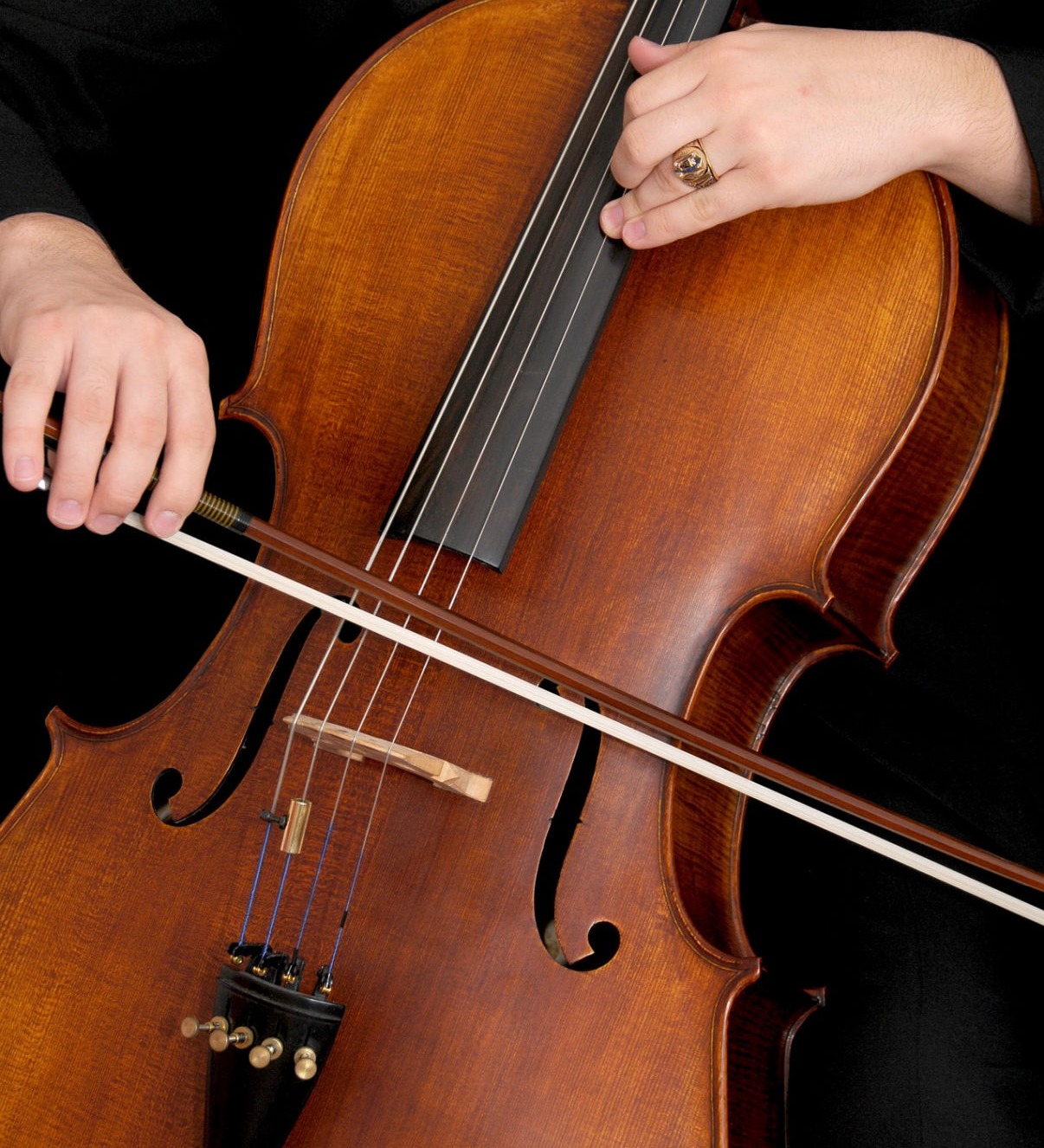
A musician playing a cello

Bring your playing experience into the conversation

Tell Carol what you play, how long you practice, and when you notice tension or limited movement. Does discomfort build during a rehearsal? Does a familiar playing position feel harder to maintain? Do you finish practicing with tension that stays with you?

These details are more useful than trying to choose a technique yourself.

Individual work for different physical demands

String players, pianists, guitarists, wind players, and singers use their bodies differently. Carol tailors the session to your history, the positions you use, and the areas that feel restricted.

Hands-on connective tissue work may be combined with other techniques according to your needs and comfort. The session can consider the broader physical demands of playing rather than focusing only on the first area where you noticed strain.

Goals that mean something in practice

Your goal might be sitting through a rehearsal more comfortably, finding an easier playing position, or feeling less restricted when you return to your instrument.

Describe that goal to Carol. It provides a practical starting point for deciding whether bodywork is suitable and what to focus on during the appointment.

Discuss a session

Text Carol with your instrument and a short introduction. You can discuss the details directly before arranging an appointment at the Woodbridge studio.

Text Carol · What to expect

New weakness, numbness, or changes in playing control deserve appropriate medical evaluation. Bodywork is not a substitute for that assessment.